
Cabinet
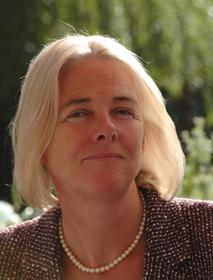
- Catherine Day (Photo: EU Commission)
Cabinet
A cabinet is a group of advisers to a president, a minister or a Commissioner.
In the EU every Commissioner has his or her own cabinet, typically with seven academic or lay advisers plus secretarial staff and a personal driver. There is now a requirement for Commissioner Cabinets to represent more nationalities.
The cabinet heads are led by the EU Commission Secretary-General,who meets with the heads of cabinet and prepares the Commission meetings. The cabinet chiefs have wide powers since the Commissioners are supposed to take part in all Commission decisions but have seldom time to do that, they are so numerous.
Only some 2% of Commission decisions are taken in the Commission proper. Approximately 25% are dealt with through written procedures and the rest by delegation. There was not a single decision put to a vote in the Commission proper during the Barroso Commissio from 2004 - 14.
The Lisbon Treaty makes the choice of Commissioner the result of a super-qualified majority vote.
Notes
The Commissioner’s spokesperson is no longer a personal spokesperson for an individual Commissioner but is part of the collective system of spokespersons run by the head spokesperson under the direction of the EU Commission President.
In the complex EU system the cabinets often assist companies and local authorities in member states to make contact with the appropriate persons in the respective EU policy areas (directorates).
The President of the European Parliament also has a personal cabinet with advisers and staff persons. There were 39 such persons in 2014.
The Court of Auditors has a cabinet staff at its disposal too.
